
QUINCY, Fla. — In a region where community building is essential to spreading goodwill and creating layered connections, Dr. Aja Roache, director of the Foster-Tanner Fine Arts Gallery and professor at Florida A&M University, has garnered a respected reputation within the arts community.
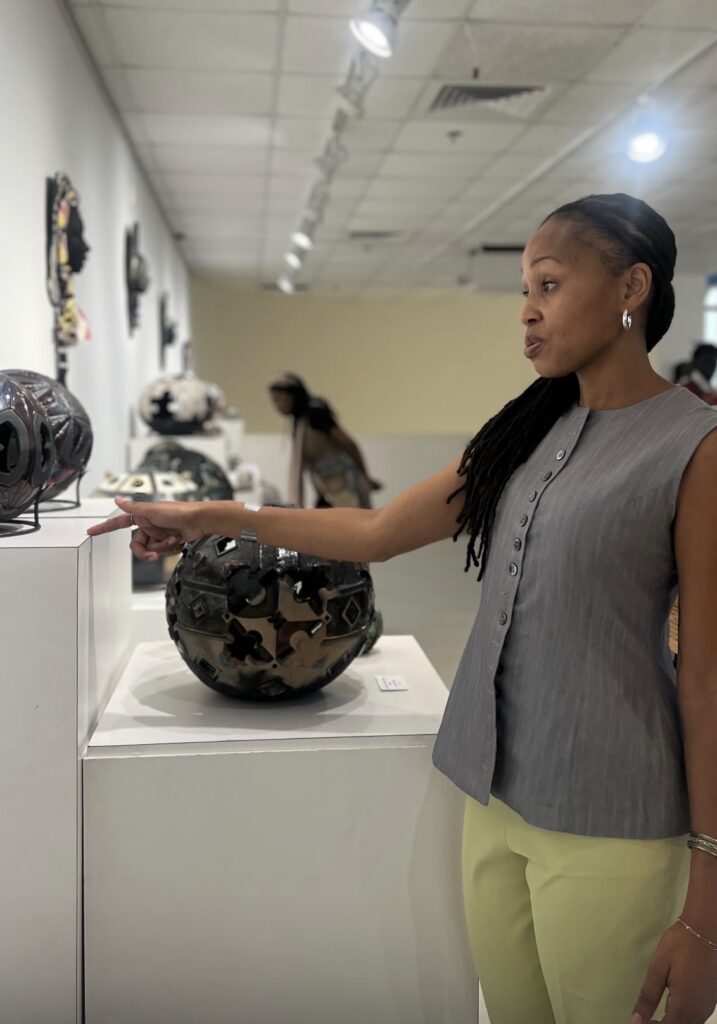
Her willingness to build bridges, listen and spread the word about the importance of arts and culture resonates beyond FAMU’s campus. With this in mind, I sought her perspective on the arts and FAMU’s connection with Gadsden County.
Q: Do you see opportunities for FAMU art students to exhibit their work or participate in community projects in Gadsden County?
A: Yes, and I welcome the opportunity for students to continue to participate in Gadsden County. We have students and faculty from this culturally rich area, so those networks have been important in our collaborations. FAMU art alumni have also found gainful employment in the arts in Gadsden County over the years, so I always share with students those meaningful instances so that they are aware of this great community. For those who may not know in Gadsden County, I want to ardently express that FAMU is a resource to tap into.
Q: What role can rural communities like Quincy play in developing the next generation of artists?
A: Rural communities are great places for up-and-coming artists to find art-based opportunities that may have a greater impact than in a larger city. There are also opportunities for young people to learn about social, cultural, geographical and historical aspects of their community that they may not realize without expanding their awareness of their rural surroundings.
Q: How can residents and businesses in Gadsden County better support FAMU art students while also strengthening the local creative economy?
A: Our program offers an art internship course where students work in a professional art organization or business for a semester, so I encourage those who have an art-related business or organization needing internship-level work to reach out at the beginning of the semester. As the internship instructor, I hope to encourage more of a network with Gadsden County arts organizations as sites for their art internships.
Q: What opportunities exist for Gadsden County artists to connect with the Foster-Tanner Fine Arts Gallery through exhibitions, workshops or collaborations?
A: We offer opportunities for students to engage with art leaders and professionals through a series we call ARTalks, where artists present aspects of their education and careers to provide more firsthand perspectives on various art and creative fields. We would love to have more community arts professionals from Gadsden County share their stories with the students.
Q: What advice would you give to a small community that wants to build a stronger arts culture with limited resources?
A: I think building relationships with people and organizations with similar goals is an important solution for small communities with limited resources. Collaboration and mutual resource exchange are excellent ways to create new and exciting opportunities while effectively using the resources you have.
Q: Could you also share information about the upcoming exhibition featuring Dr. Marilyn Proctor-Givens and what visitors can expect?
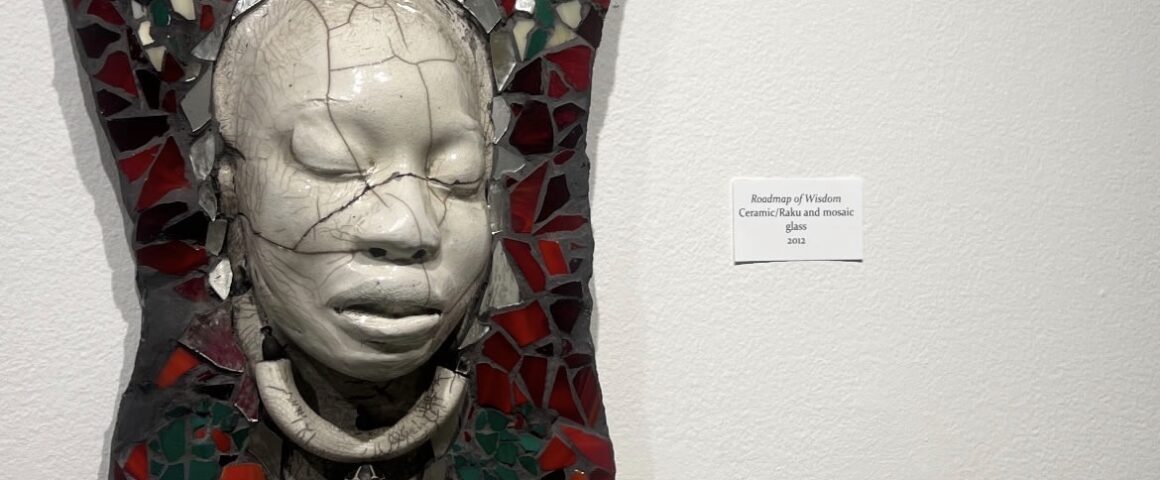
A: Dr. Proctor-Givens’ exhibition will feature her signature ceramic sculptures as well as a wide variety of media, including stained glass, 3D-printed works and multimedia works, among others she has explored throughout her career as the art teacher at Lincoln High School. The exhibition will celebrate Dr. Proctor-Givens’ art career as well as her remarkable service in encouraging and inspiring high school students to create and pursue art careers for so many years.
The Dr. Proctor-Givens exhibition will be on view at Foster-Tanner through Dec. 4.